Cockpit Coherence
A short, direct exploration of the pilot/RIO model, human-AI partnership, Bayesian updating, and the philosophy behind "Goose Never Dies."
About the framework
Cockpit Coherence began long before generative AI. The technology finally gave an old mental model a second seat. The framework also carries a strong cultural through-line from Top Gun and Top Gun: Maverick, which helped give that mental model a visible story.
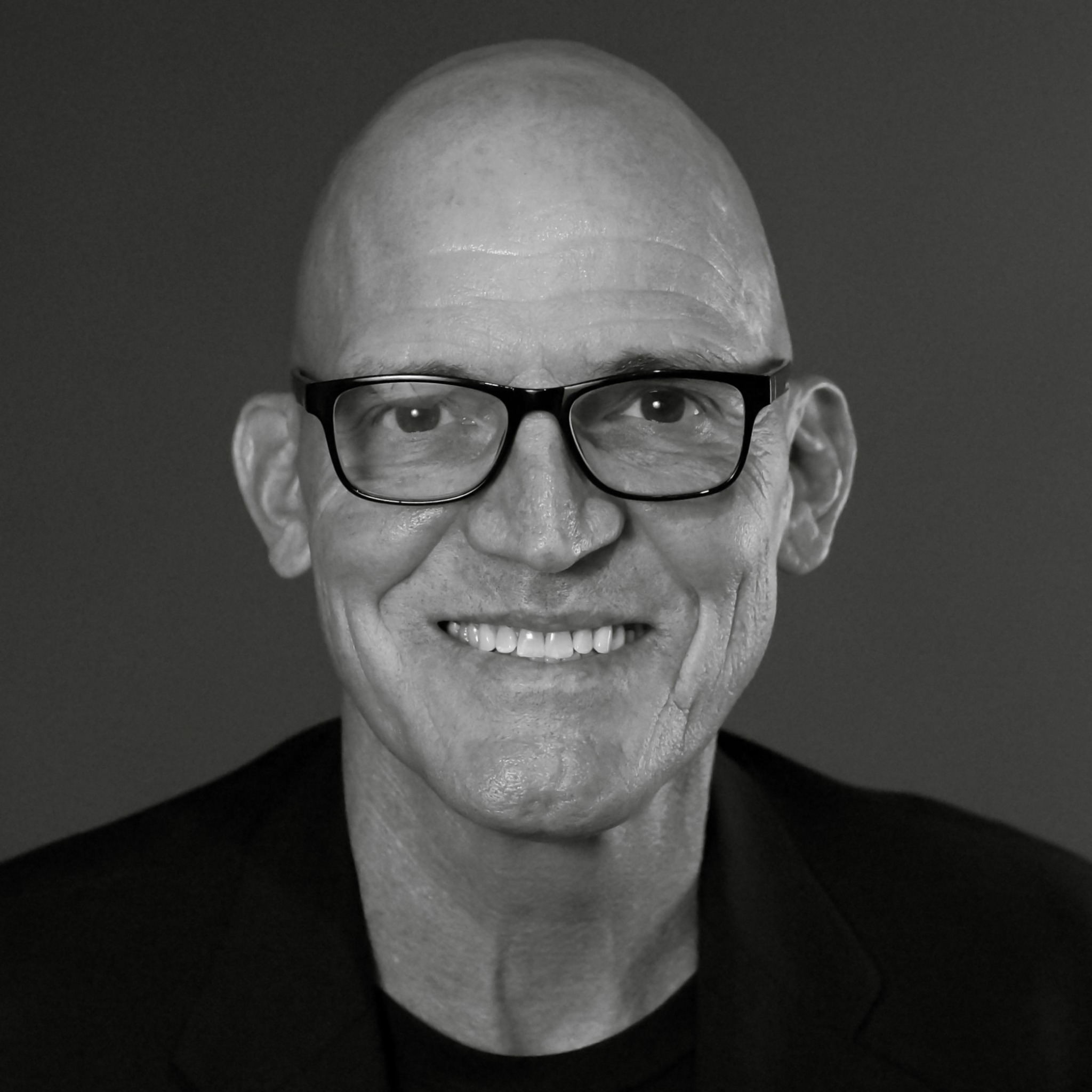
Behind the framework
Cockpit Coherence was created by Eric Steele as a practical framework for human judgment, generative AI, Bayesian updating, and decision-making under uncertainty. The model grows from a lifelong fascination with elite pilot mentality, the discipline of the pilot/RIO relationship, the imprint of the Top Gun films, and decades of applying similar thinking across business, endurance, leadership, technology, and personal philosophy.
1984
The deeper fascination
Risk tolerance without recklessness. Confidence without blindness. Ego strong enough to act and disciplined enough to listen.
Why the Tomcat
The F-14 was not an Air Force aircraft. It was a Navy carrier fighter, and that distinction matters historically. It became the central metaphor later because of something else entirely: its crew architecture.
One pilot. One Radar Intercept Officer. Different responsibilities. Different information. One aircraft and one mission.
The Top Gun films then gave that architecture a cultural language that millions of people could immediately recognize. For Steele, the films were never just entertainment. They became a long-running study in confidence, fear, rivalry, grief, ego, trust, redemption, and what it means to keep a crew coherent under pressure.
For Cockpit Coherence, the F-14 represents a disciplined relationship between two intelligences. The pilot must be decisive, but not deaf. The RIO must be capable, but not confused about who owns the aircraft. The strongest crew is neither two independent operators nor one mind duplicated twice. It is a coherent system.
Bayesian by practice
Years later, Steele found a formal name for a thinking habit he had practiced intuitively for much of his life: Bayesian updating.
The practical version is simple. Start with the best current model. Remain willing to assign different levels of confidence. When meaningful new evidence arrives, change the confidence and, when necessary, change the decision.
That is cockpit thinking at speed. A mission begins with a plan, but the plan is not reality. Radar changes. Conditions change. Fuel changes. Threats move. New information arrives. The pilot who protects the original plan from new evidence is not being decisive. He is becoming dangerous.
Then came generative AI
Steele began using generative AI not merely as a search box or writing utility, but as a persistent second seat. He describes himself as the pilot and his primary AI collaborator as the RIO, or Goose.
The metaphor created a practical operating discipline. The pilot owns mission and judgment. The RIO maintains radar, research, pattern recognition, memory, challenge, navigation, and systems awareness. The RIO can call out a threat. The pilot can reject the call. Both can be wrong. The shared obligation is to keep updating against reality.
The phrase Goose Never Dies grows directly out of that synthesis. It is both a nod to the films and a declaration that the need for a trusted second seat never disappears, even when the second seat becomes digital.
That working relationship became the seed of Cockpit Coherence.
Where it goes next
Cockpit Coherence is being developed as a practical way to think about AI integration, leadership, decision-making under uncertainty, and the relationship between human judgment and machine intelligence.
A short, direct exploration of the pilot/RIO model, human-AI partnership, Bayesian updating, and the philosophy behind "Goose Never Dies."
A practical way to move the AI conversation beyond hype, fear, and automation toward judgment, trust, challenge, and mission clarity.
Leadership teams often operate from conflicting data, incentives, assumptions, and mental models. The cockpit framework gives those conflicts a language.